


You wake up with irritated, red eyes. Your eyes water throughout the day, making it hard to focus on work or enjoy time with your family. You’re not sure if pollen from your morning jog caused this or if something else is going on.
The key difference between allergies and dry eye lies in the symptoms: allergies typically cause intense itching and follow seasonal patterns, while dry eye produces a gritty, burning sensation that worsens with screen time and air conditioning. Knowing which condition you’re dealing with helps you find the right relief and decide when to seek professional care from Trail Vision Care Clinic or pursue dry eye therapy.
Common Signs That Point to Eye Allergies
To put it simply, allergies occur when your immune system overreacts to a normally harmless substance (an allergen) as if it were a dangerous invader. When these particles hit your eyes, your body releases histamine, which causes the classic symptoms you’re experiencing, like:
- Intense Itching: The urge to rub is often overwhelming, as if it originates deep within the eyelids.
- Environmental Triggers: Symptoms usually flare up within minutes of exposure to specific irritants, such as spring tree pollen, fall ragweed, or animal dander.
- Systemic Symptoms: Eye irritation rarely travels alone; it is frequently accompanied by sneezing, a stuffy nose, or a scratchy throat.
The “itch-rub” cycle can actually worsen the condition by releasing more histamine into the tissue. To prepare for challenging periods, many people find relief by using cold compresses or identifying their specific seasonal triggers.
What Your Eyes Look Like with Allergies
- Puffy Eyelids: Your lids appear swollen, a symptom that is often most noticeable right after you wake up.
- “Allergic Shiners”: The skin around your eyes may look darker or have a bluish tint due to increased blood flow and localized swelling.
- Watery Redness: The whites of the eyes appear bright red or pink, accompanied by a clear, watery discharge.
Note: If the discharge is thick, green, or yellow, it is likely an infection rather than an allergy. - Bilateral Reaction: Typically, both eyes react simultaneously with similar intensity. If only one eye is red or swollen, it likely points to a different medical issue.
Key Symptoms That Suggest Dry Eye
Your eyes feel like someone sprinkled sand in them. This gritty sensation often makes you blink more frequently, trying to clear away something that isn’t actually there.
A burning sensation develops, getting noticeably worse when you’re working on your computer, reading, or watching TV. You might find yourself looking away from screens more often to give your eyes a break. The doctors can help you understand what digital eye strain is when screen time contributes to your discomfort.
Your vision becomes blurry, but blinking a few times temporarily clears it up. This happens because your tear film isn’t coating your eyes evenly, creating temporary vision disturbances. For more information about this connection, read about dry eye causes and symptoms.
When Dry Eye Gets Worse
Environmental and behavioural factors often strip away the protective moisture your eyes need, leading to increased irritation.
- Artificial Climate Control: Air conditioning and heating systems remove humidity from the air, causing tears to evaporate much faster than your body can produce them.
- Reduced Blink Rate: During focused tasks like reading or computer work, your normal blink rate can drop from roughly 15 times per minute to as few as 5, which prevents your eyes from being regularly lubricated.
- Harsh Outdoor Conditions: Low humidity and windy weather create an immediate drying effect, often causing discomfort the moment you step outside or during the dry winter months.
Why Your Eyes Water When They’re Dry
It’s a bit of a biological irony: your eyes can be soaking wet and yet still feel bone-dry because of how your body handles irritation.
The “Reflex Tear” Cycle:
- Emergency Response: When your eyes detect dryness, your body triggers “reflex tears” as an emergency measure. These are chemically different from your daily lubricating tears and don’t coat the eye surface effectively.
- Lack of Essential Oils: Unlike a healthy tear film, these reflex tears lack an adequate oil layer. This causes them to evaporate almost instantly, leaving your eyes feeling dry even while they are watering.
- Ineffective Flushing: Your system tries to “flush out” the perceived irritation with more volume, but this often results in blurry vision without solving the underlying lack of moisture.
What Can Cause Each Condition
Behind Your Allergy Symptoms
Pollen from trees, grasses, and weeds enters your eyes during outdoor activities. Dust mites in your bedroom and pet dander from family pets can also trigger reactions, even if you’ve lived with these allergens for years.
Your immune system releases histamines when it detects these normally harmless substances. Histamines contribute to the itching, swelling, and redness you experience during allergic reactions.
Most people notice stronger symptoms during spring and fall when pollen counts peak. However, indoor allergens such as dust mites and pet dander can cause year-round symptoms.
Why Your Eyes Feel Dry
Your tear production naturally decreases as you get older, starting in your 30s and 40s. Hormonal changes, particularly in women during menopause, can significantly reduce tear quality and quantity.
Common medications like antihistamines, decongestants, and blood pressure medications reduce your body’s ability to produce tears. Even medications you take for other conditions can affect your eye comfort.
The tiny oil glands along your eyelid margins can become blocked, preventing them from adding the oil layer that keeps your tears from evaporating too quickly; this can occur due to bacterial buildup or changes in oil consistency. Our team at Trail Vision Care Clinic can help you understand meibomian gland dysfunction and how it affects tear production.
Simple Ways to Find Relief at Home
For Allergy-Related Eye Irritation
Managing eye allergies at home is often about a two-pronged approach: physically soothing the irritation and strategically avoiding the triggers that start the flare-up in the first place.
Our best tips for relief of allergy-related irritation:
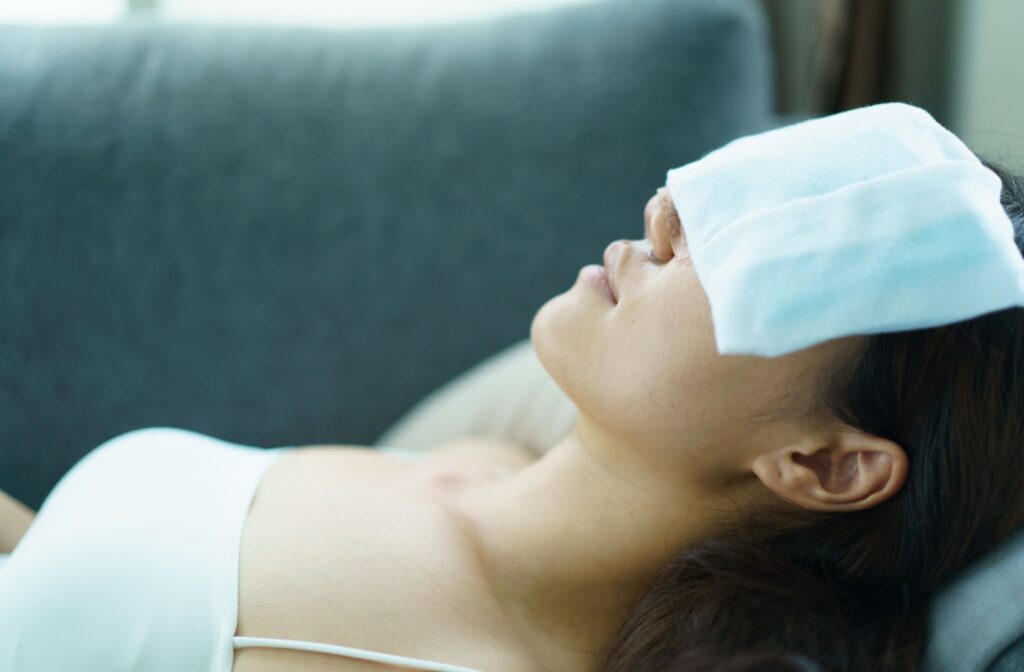
- Cool Compresses: Apply a cold, damp cloth to your closed eyes for 10–15 minutes several times a day. The low temperature constricts blood vessels, effectively reducing swelling and providing immediate relief from that deep-seated itch.
- Environmental Control: Minimize your exposure by keeping windows closed on high-pollen days and relying on air conditioning to filter the air. It is helpful to track daily pollen counts so you can plan outdoor activities for times when levels are typically lower, such as immediately after a rain shower.
- Targeted Medication: Over-the-counter antihistamine eye drops can block the allergic response directly at the source without the systemic side effects (like drowsiness) often found with oral pills.
If your symptoms persist, you might consider using preservative-free drops. These are specifically designed for sensitive eyes and are much safer if you find yourself needing to apply them more than four times a day, as they lack the chemicals that can sometimes cause secondary irritation with frequent use.
For Dry Eye Comfort
Managing dry eye at home is all about consistency and addressing the root causes of tear evaporation. By focusing on both environmental habits and direct eye care, you can significantly improve your daily comfort.
Our simple strategies for dry eye relief:
- Preservative-free Artificial Tears: Use these drops proactively throughout the day, especially before your symptoms typically flare up. Applying them before starting computer work, reading, or entering air-conditioned environments creates a protective barrier for your eyes.
- Warm Compresses: Place a warm compress over closed eyes for 10 minutes twice daily. The gentle heat helps melt thickened oils in the eyelids, unblocking the glands essential for a high-quality, stable tear film.
- The 20-20-20 Rule: To combat the reduced blink rate associated with digital screens, follow this simple habit: every 20 minutes, look at something 20 feet away for at least 20 seconds.
When to Visit Your Eye Doctor in Trail
Schedule an appointment if your symptoms persist for more than 2 weeks despite trying home treatments. Chronic eye irritation can indicate underlying conditions that need professional evaluation and treatment.
Seek immediate care if you develop eye pain, significant vision changes, or light sensitivity. These symptoms can indicate more serious conditions that need prompt attention from an eye care professional through emergency eye care services.
Visit your eye doctor when home treatments no longer provide adequate relief or when symptoms start interfering with your daily activities and work productivity. A comprehensive eye exam can help determine the underlying cause of your symptoms.
Treatment Options Available
Prescription eye drops can provide more effective relief for chronic dry eye than over-the-counter options. These medications help reduce inflammation and stimulate natural tear production for longer-lasting comfort.
In-office procedures can unblock oil glands and improve tear film quality using specialized equipment and techniques. These treatments address the root cause of many dry eye problems rather than just managing symptoms. Learn about radiofrequency therapy for dry eyes, as well as other treatment options.
Personalized treatment plans take into account your lifestyle, work environment, and specific symptoms to create the most effective approach for your situation. The eye care team can recommend environmental modifications and preventive strategies tailored to your needs.
Find Relief from Allergies and Dry Eye with Trail Vision Care Clinic
Trail Vision Care Clinic offers comprehensive evaluation and treatment for both dry eye and allergies, helping you find lasting relief from eye discomfort. The experienced team uses diagnostic technology to determine the exact cause of your symptoms and develop an effective treatment plan. Contact them today to schedule an appointment and take the first step toward healthier, more comfortable eyes.