

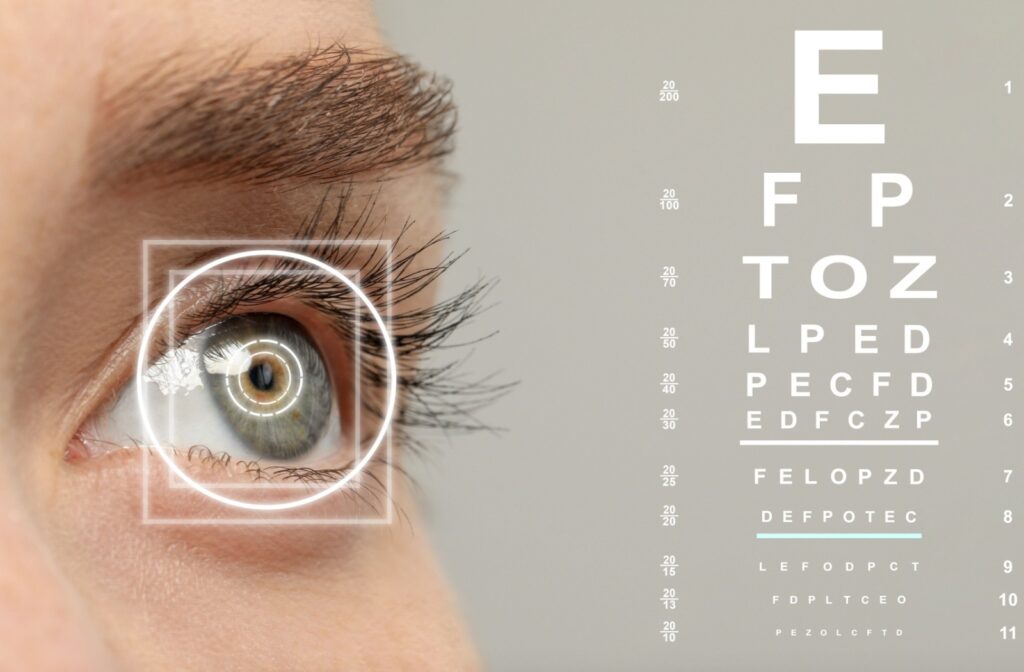
You probably spend a lot of time on screens—it’s just a part of modern life. All that digital time can lead to issues like digital eye strain and make you think more about your eye health. The good news is, you can take simple, proactive steps to support your vision with comprehensive eye care.
While some vision issues, like nearsightedness, can’t be reversed, many potential eye issues can be managed or improved. Good everyday habits and choices can make a real difference for your eyes now and in the future by protecting them from strain, nourishing them with the right foods, and addressing underlying conditions like dry eye.
Lifestyle Habits for Healthy Vision
Small changes to your daily routine can have a positive effect on your eye health. It’s all about creating habits that reduce strain and protect your eyes from environmental factors.
Give Your Eyes a Break
If you work at a computer, your eyes work hard all day. Try the 20-20-20 rule to help reduce eye strain. Every 20 minutes, look at something 20 feet away for at least 20 seconds to let your eye muscles relax.
Protect Your Eyes from the Sun
Just like your skin, your eyes need protection from UV rays. Wear sunglasses that block 100% of UVA and UVB rays whenever you’re outside—even on cloudy days. A wide-brimmed hat adds another layer of protection for your eyes and the sensitive skin around them.
Stay Active for Your Eyes
Regular physical activity is great for your whole body—your eyes included. Good circulation helps deliver oxygen and nutrients to your eyes. This is an important part of their overall health and function.
Foods & Nutrients for Your Eyes
A balanced diet rich in specific vitamins and minerals plays a part in maintaining healthy vision. You can support your eyes from the inside out just by adding certain foods to your meals. Think of it as another way to invest in your long-term eye health.
Which Foods Improve Vision?
Focus on a diet filled with colourful fruits and vegetables. Some of the most helpful foods for your eyes include:
- Leafy greens like spinach and kale
- Oily fish like salmon and tuna
- Citrus fruits like oranges and grapefruits
- Nuts, seeds, and legumes
- Carrots and sweet potatoes
Key Vitamins & Minerals
Some nutrients help protect the sensitive tissues in your eyes. Look for foods rich in:
- Lutein & Zeaxanthin
- Omega-3 Fatty Acids
- Vitamin C & Vitamin E
- Zinc
What About Blurry Vision & Dry Eyes?
Sometimes blurry vision isn’t about your prescription—it can be a sign of eye fatigue or dryness. If your eyes feel gritty, red, or tired, you might be dealing with dry eye. This is a common condition that affects vision clarity and comfort, especially for people who use screens frequently.
Common Symptoms of Dry Eye
Dry eye can show up in a few different ways, and it’s more than just a feeling of dryness. You might notice:
- A sandy or gritty feeling
- Redness and irritation
- Temporarily blurred vision
- Watery eyes—as your eyes try to compensate for the dryness
- Sensitivity to light
The Role of Meibomian Gland Dysfunction
For many people, dry eye happens because the tiny oil glands in their eyelids get blocked. This condition is called meibomian gland dysfunction or MGD. When these glands don’t work properly, the oily layer of your tears is missing, so your tears evaporate too quickly.
Modern Light Therapies for Eye Relief
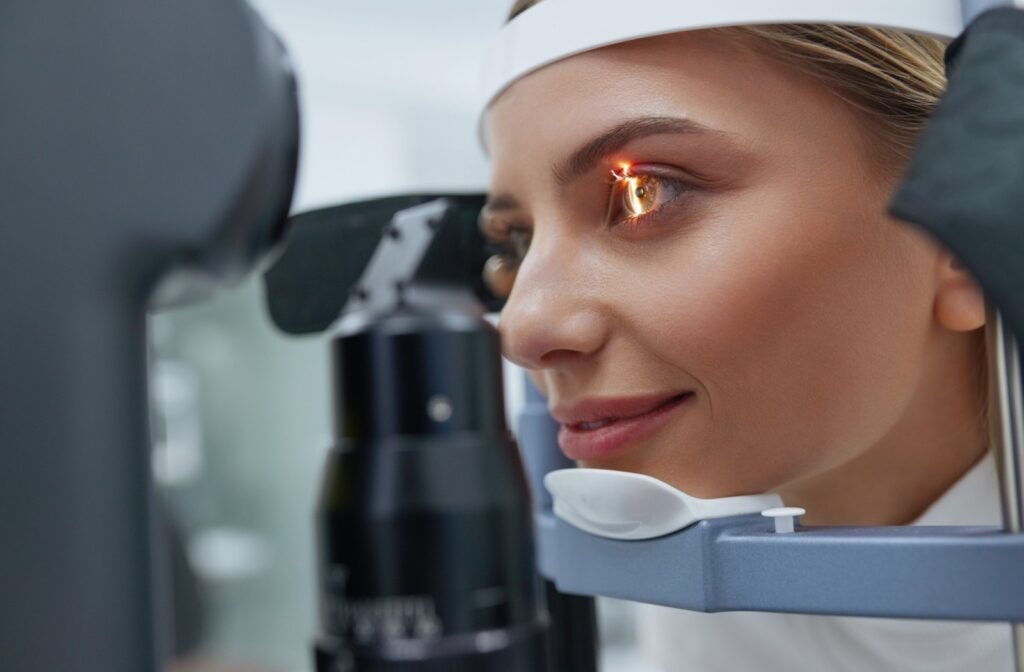
When lifestyle changes aren’t enough to manage dry eye symptoms, other options are available. Light-based therapies are non-invasive treatments that can tackle the root cause of some types of dry eye.
What Is Intense Pulsed Light or IPL?
Intense Pulsed Light therapy uses gentle pulses of light to warm the eyelids. This process helps unblock the oil glands, reduce inflammation, and improve the quality of your tears. It’s a way to address the cause of evaporative dry eye instead of just the symptoms.
What Is Low-Level Light Therapy or LLLT?
Low-Level Light Therapy uses specific wavelengths of light to help stimulate the cells in your eyelids. This gentle therapy can improve gland function and reduce inflammation around the eyes. It’s a comfortable treatment that supports your eyes’ natural processes.
How an Eye Doctor in Trail BC Can Help
While home remedies and lifestyle changes are a great start, a complete eye exam is the best way to understand your eye health needs.
A Personalized Plan for Your Eyes
An eye exam can determine what’s causing your symptoms—from eye strain to dry eye. From there, your optometrist can recommend a personalized plan. This might include specific lifestyle adjustments or advanced treatments to provide lasting relief.
Find Your Optometrist in Trail BC
A proactive approach to eye care can help you maintain clear, comfortable vision for years to come. The right eye doctor in Trail, BC will partner with you to protect your sight. If you’re ready to take control of your eye health, scheduling a comprehensive exam with an optometrist in Trail BC is a great first step.
At Trail Vision Care Clinic, we combine a friendly, small-town atmosphere with modern technology to care for your eyes. We treat everyone who walks through our doors with compassion and respect. Book your appointment with us today to start your journey toward healthier, more comfortable vision.