


Key Takeaways
- Dry eyes can come on suddenly due to screen time, environmental changes, hormonal shifts, or contact lens habits.
- Some medications and underlying health conditions can reduce tear production or affect tear quality.
- Simple home habits can offer short-term comfort, but persistent symptoms are worth a closer look.
- An optometrist in Trail, BC can help identify what’s driving your dry eye symptoms and talk you through your options.
Your Environment & Lifestyle Can Affect Dry Eye
Your eyes felt fine last week. Now they burn, sting, or feel like there’s something stuck in them. Sudden dry eye can catch you off guard, and figuring out what changed isn’t always straightforward.
Dry eyes can come on suddenly when something disrupts your tear film. This could range from changes to your screen habits to changes in your hormones or the air in your home. Our team at Trail Vision Care Clinic is here to help you find out what’s going on.
Signs Your Eyes Are Telling You Something
Dry eye disease (DED) doesn’t always look the same from person to person. Some of the most common signs to watch for include:
- Burning, stinging, or a scratchy feeling in your eyes.
- Blurred vision, redness, or sensitivity to light.
- Watery eyes that still feel dry and irritated.
This last one surprises a lot of people. Watery eyes can actually be a response to dry eye, and they happen when your eyes respond to irritation with a flood of reflex tears. However, reflex tears rarely deal with the problems that cause dryness.
Common Factors Behind Sudden Dry Eyes
Screen Time & Blinking Less
When you focus on a screen, your blink rate drops. Blinking is what spreads your tear film across the surface of your eye, so fewer blinks mean that your eyes dry out faster.
A simple habit worth trying is the 20-20-20 rule: every 20 minutes, look at something about 20 feet away for 20 seconds. This gives your eyes a short break and encourages a more natural blink rate.
Hormonal Changes & Age
If you’re in your 30s or beyond, your hormones can play a bigger role in your eye comfort than you’d expect. Hormonal shifts related to menopause can reduce tear production, and tear quality can naturally change after age 50. These changes can happen gradually or, for some people, feel like they come out of nowhere.
Contact Lenses, Gland Blockages, & Eyelid Hygiene
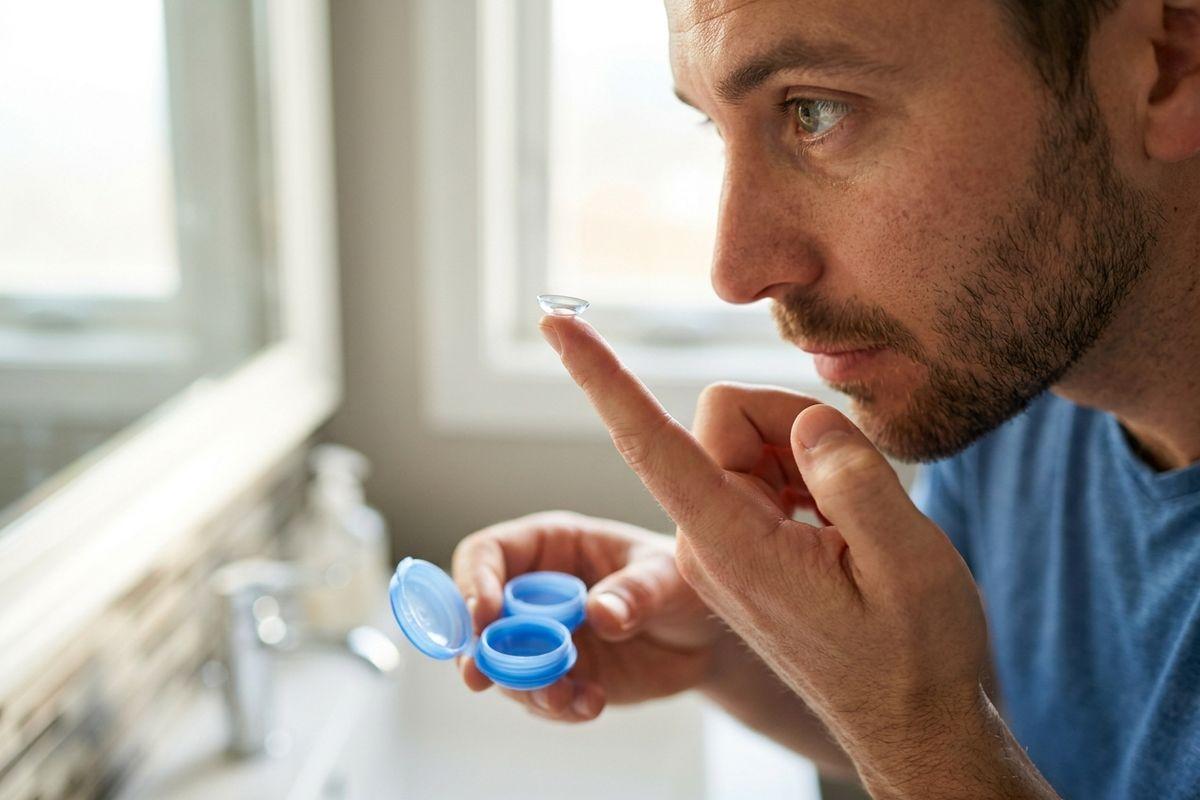
Wearing contact lenses longer than recommended, or sleeping with them in, can disrupt the tear film that keeps the surface of your eyes healthy. If you wear contacts and notice dry eye, it’s worth reading more about dry eyes and contact lens discomfort.
Clogged eyelid glands are another common contributor. When these oil-producing glands are clogged, the oil they make doesn’t reach your tears, which results in your tears evaporating too quickly.
Keeping up with eyelid hygiene is a small habit that can help keep your eyes feeling comfortable.
Everyday Habits & Environments That Play a Role
Your surroundings have more influence on your eye comfort than most people realize. A few everyday factors worth considering are:
- Dry air, wind, and smoke can irritate the eye surface directly.
- Air conditioning and indoor heating reduce the moisture in the air around you.
- A diet low in omega-3 fatty acids or vitamin A can affect the quality of your tears.
These aren’t dramatic changes, but they add up over time. A dry winter heated indoors or a summer spent near air conditioning can shift your eye comfort more than you’d expect.
When Dry Eyes Point to Something More
Medications That Affect Tear Production
Several common medications are associated with reduced tear production. These include antihistamines, antidepressants, blood pressure medications, hormonal birth control, and hormone therapy. If your dry eye symptoms started around the same time you began a new medication, it’s worth mentioning this to your optometrist.
Underlying Health Conditions
Some health conditions are connected to chronic dry eyes. Autoimmune conditions like Sjögren’s syndrome or lupus can affect tear production, and both diabetes and thyroid disorders have also been linked to dry eye symptoms. An eye doctor can help connect the dots if your symptoms don’t have an obvious cause.
What to Do When Dry Eyes Don’t Go Away
Simple Things to Try at Home
For day-to-day comfort, preservative-free artificial tears are a good starting point. They’re gentle enough for regular use and can help take the edge off mild symptoms. Warm compresses and routine eyelid cleaning can also support eyelid gland health and improve how your tears feel during the day.
When to See an Eye Doctor in Trail, BC
Home remedies can help manage mild symptoms, but if your dry eyes persist or worsen, or if new symptoms appear, it’s worth seeing an optometrist in Trail, BC. As your eye doctor, we can look at the full picture, identify what’s driving your symptoms, and talk you through dry eye therapy options for longer-lasting relief.
At Trail Vision Care Clinic, our team takes dry eye symptoms seriously. We treat every patient with care and attention, and we tailor our approach to what your eyes need. If dry eyes have been bothering you, reach out to us at Trail Vision Care and book an appointment today.