

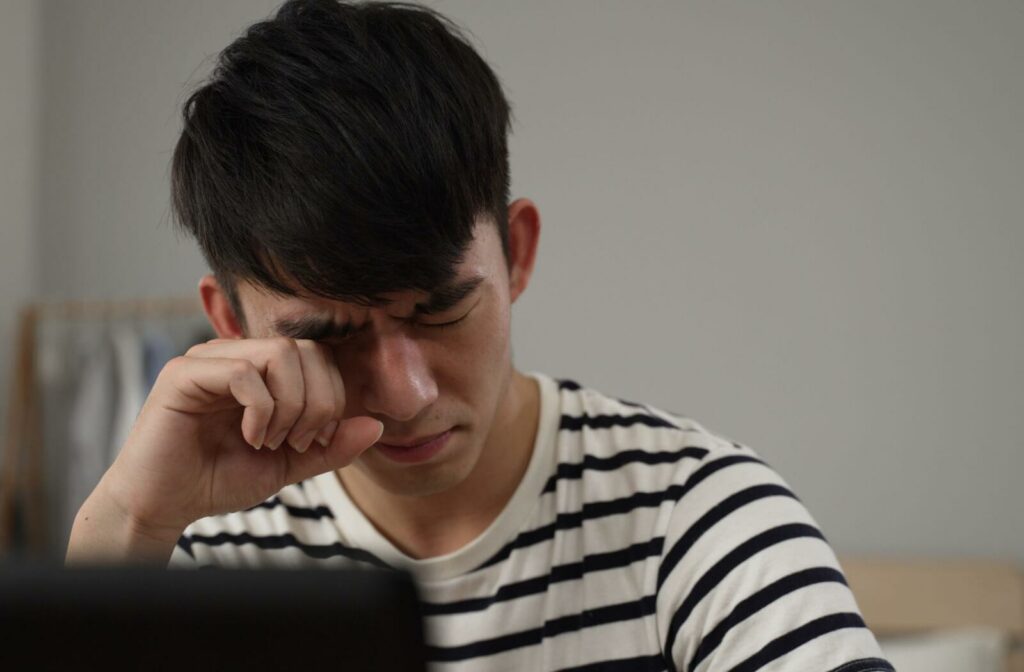
You’re going about your day when suddenly every blink feels like sandpaper scraping across your eye. That sharp, uncomfortable sensation can turn simple tasks like reading or watching TV into uncomfortable experiences that leave you squinting and rubbing your eyes for relief.
Eye pain when blinking typically stems from surface irritation, infections, or inflammation that affects the delicate tissues of your eyelid or eye surface. The good news is that most causes are treatable, and many can be relieved with simple home care methods or through professional evaluation with comprehensive eye exams.
Common Reasons Your Eyes Hurt When Blinking
Eye Surface Problems
Your eyes require a smooth, lubricated surface to blink without friction. When this delicate balance is disrupted, every blink can lead to irritation or discomfort.
Common factors that affect the eye surface include:
- Dry eye syndrome: This occurs when tear glands do not produce sufficient moisture or when tears evaporate too quickly. You may notice a gritty sensation, particularly in the morning or after extended screen use.
- External irritants: Foreign particles such as dust or eyelashes can disrupt the tear film.
- Surface abrasions: A scratched cornea, often caused by debris or rubbing the eyes, can make blinking painful.
Infections and Swelling
Bacterial or viral infections can cause the eyelids to swell, which often results in discomfort during every blink. These conditions typically present with distinct symptoms that help identify the underlying issue.
- Pink eye (conjunctivitis): This condition often causes the eye to appear red or pink. It may produce a sticky discharge that crusts over during sleep, leading to significant eyelid swelling.
- Styes and chalazia: A stye appears as a small, red, tender bump on the eyelid margin. A chalazion is a similar swelling caused by a blocked oil gland.
- Blepharitis: This is a general inflammation of the eyelids, often caused by bacteria near the base of the eyelashes, resulting in irritation and swelling.
When Pain Affects Just One Eye
Pain affecting only one eye typically indicates a specific incident or a localized condition. Identifying the cause is essential for determining whether the issue requires simple rest or professional intervention.
- Corneal abrasions or injuries: Physical trauma, such as a scratch from debris or a foreign object, often results in sharp, one-sided pain.
- Contact lens irritation: A damaged, folded, or soiled lens can cause significant discomfort. If irritation occurs, the lens should be removed immediately and inspected for tears or protein deposits.
- Localized infection: Certain bacterial or viral conditions may present in only one eye before potentially spreading. Professional assessment can help prevent further complications.
Allergy-Related Eye Discomfort
Allergic reactions can make your eyelids puffy and sensitive, creating pain every time you blink. This type of discomfort often affects both eyes and comes with itching or watering.
Spring and fall seasons bring pollen that can irritate your eyes for weeks at a time. You might also react to new makeup, skincare products, or cleaning supplies that get near your eyes. Following allergy season tips can help reduce these reactions.
Simple Ways to Feel Better
Taking immediate, gentle steps can often alleviate minor discomfort caused by environmental irritants or surface debris.
- Hygiene preparation: Always wash your hands thoroughly with soap and warm water before touching your eyes or the surrounding area to prevent the introduction of bacteria.
- Controlled irrigation: Gently flush the eye with clean, room-temperature water to remove foreign particles. Tilt the head so the water flows from the inner corner toward the outer corner, allowing the debris to wash away safely.
- Inflammation management: Apply a clean, cool compress to the closed eyelid to reduce swelling and soothe localized irritation.
Daily Prevention Habits
Maintaining ocular health requires consistent attention throughout the day, especially during prolonged periods of focused work. To reduce digital eye strain, you should follow the 20-20-20 rule by looking at an object 20 feet away for 20 seconds every 20 minutes. Integrating screen breaks into your routine helps rest the eyes and prevents fatigue.
In addition to physical breaks, preservative-free artificial tears help maintain a stable tear film and keep the eyes moist. Keeping a bottle at your desk allows for easy application whenever your eyes begin to feel dry or gritty. Furthermore, maintaining comfortable humidity levels in the bedroom can prevent overnight dryness and support overall eye comfort.
When to See an Eye Doctor
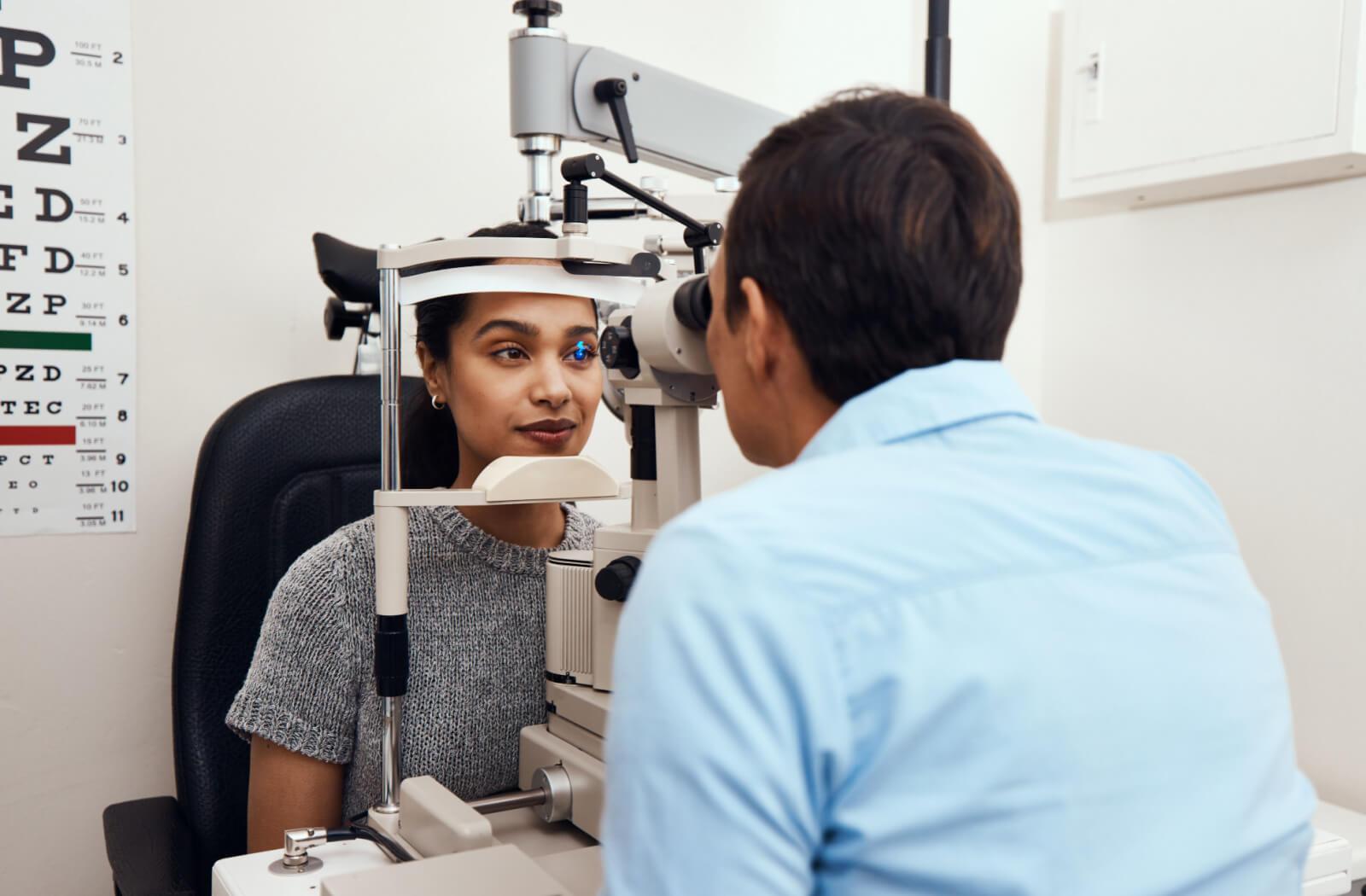
Some eye pain needs professional attention, especially when it persists or comes with other concerning symptoms. Pain that doesn’t improve after a day of home care might indicate a more serious problem that requires emergency eye care.
Vision changes, severe light sensitivity, or thick discharge from your eyes are signs that you need professional evaluation. At Trail Vision Care Clinic, our experienced eye doctors use modern technology to diagnose eye conditions accurately and provide appropriate treatment for your specific situation.
Find Relief Today
Eye pain when blinking can disrupt your daily routine, but most cases respond well to proper care and attention. If you’re experiencing persistent eye discomfort or have concerns about your eye health, contact Trail Vision Care Clinic to schedule an appointment with one of our compassionate eye doctors. We can help identify the source of your discomfort and recommend effective treatment options.